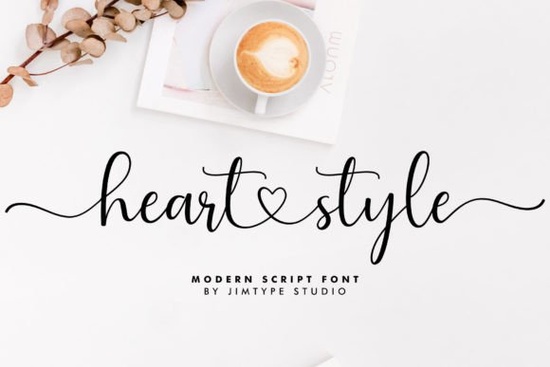
What sort of look does Heart Style Font give?
This is a contemporary script with a clear calligraphy influence. The strokes are clean, with a gentle slant, and many of the capital letters come with optional swashes that can frame a word beautifully. The x‑height is slightly generous, which helps keep longer words readable even at small sizes. You will notice that the crossbars on the t and the tails on the y and g are rounded and soft, not sharply angled. That softness is what pushes the design firmly into romantic territory rather than a formal copperplate look.
If you compare it to something like Stay Wonderful (another elegant script available in our handlettered script collection), Heart Style feels a little lighter in weight and a touch more airy. That makes it easier to pair with a bold serif or a clean sans‑serif without the page feeling too heavy.
Who is this font really for?
- Wedding designers and stationers – For invitation suites, vow booklets, place cards, and signage.
- Print‑on‑demand sellers – Works well on mugs, tote bags, and apparel because the lines hold up at common DTG print sizes.
- Brand designers – Use it as a primary logo font for boutiques, florists, or lifestyle coaches who want a personal, hand‑touched identity.
- Crafters and hobbyists – Ideal for Cricut projects, scrapbook titles, and card making without a steep learning curve.
Can I use it for commercial branding?
Yes, and this is where you need to check the license that comes with your Creative Fabrica download. The standard commercial use license typically covers up to 5,000 physical sales of end products, which is plenty for most small businesses and Etsy shops. If you plan to use the font inside a logo design to sell to multiple clients, look for the “extended” or “corporate” license terms on the product page. As with any font you use commercially, keeping a copy of your receipt and the license file is a good habit.
What file formats and extras are included?
Most script fonts from Creative Fabrica come in at least .OTF and .TTF formats, so you can install them on both Windows and Mac with zero headaches. The Heart Style Font usually includes the swashed alternates as stylistic sets or additional glyphs. To access these, open the glyphs panel in Adobe Illustrator, Photoshop, or Affinity Designer. Some users also install separate “swash” versions of certain letters if those are provided.
One small practical tip: always test the font in a simple text editor first. Type out the name you plan to use most often and check if the default letter combinations feel balanced. If they need slight adjustments, that is where tracking and manual kerning come in.
How does Heart Style compare to other script fonts?
That depends entirely on the mood you want. Here is a quick comparison with a few similar styles you might already know:
- Cherry – More playful and bouncy. Great for children’s birthday invitations, but less formal than Heart Style. You can see the full character set in our Cherry script font overview.
- Coconut Bay – A relaxed, beachy handwritten feel. It works well for laid‑back branding, whereas Heart Style stays on the side of refined romance. See the ligatures and extras in our Coconut Bay font details.
- Baseball Classic – A completely different direction bold, sporty, and vintage. If you need something for a team logo rather than a wedding suite, the Baseball Classic script is a stronger choice.
Heart Style sits right in the middle of the romantic script spectrum. It is not overly frilly like some pointed‑pen fonts, but it still holds enough decoration to feel special. That balance is what makes it a safe choice when you are not sure if your client or audience wants “pretty” or “polished.”
Can beginners work with a font like this easily?
Absolutely. There are no complicated OpenType rules you have to learn just to get a nice result. The basic alphabet already looks connected and smooth. If you do want to use the swashes, most design programs make it easy to turn on “Stylistic Alternates” from the character or type panel. I would suggest starting with a short word like “love” or “welcome” and testing one swash per design. Overusing swashes can make text hard to read, especially on screen.
What are some common pairing ideas?
A thin, wide sans‑serif or a classic serif tends to work. For example, use Heart Style for the main script word and pair it with a simple all‑caps font like Jost, Cormorant Garamond, or even a clean monoline sans. The contrast in letter structure makes any logo or heading instantly more professional. Keep the supporting type simple and let the script carry the personality.
How can print‑on‑demand sellers get the most out of this font?
Test a mockup at the actual print size before uploading. Script fonts with thin strokes can sometimes break up on very textured surfaces or at extremely small sizes. A simple way to check is to print a sample on paper at 100% scale. If it looks clear, it will usually translate well to fabric or ceramic. Also, convert your text to outlines before saving the final design file that avoids any font compatibility issues at the printer.
What if I need a different romantic vibe entirely?
If you love the idea of a flowing script but want something with thicker downstrokes or a more playful baseline, explore the script section on Creative Fabrica. The search filters let you narrow down by style, so you can quickly spot alternatives that feel modern, vintage, or whimsical. Sometimes the smallest shift in slant or weight changes the entire mood of a project, so having two or three reliable romantic fonts in your toolkit is never a waste.
A quick checklist before you start
- Open the glyphs panel to see all the alternate characters and swashes.
- Set the tracking a tiny bit looser for all‑caps headings this helps legibility.
- If using the font on a dark background, slightly thicken the stroke in your design program to keep it visible.
- Always confirm the license covers your intended use, especially for large‑volume POD or client logos.
- Save a small reference sheet with the font name and the designer’s contact info that saves time later if you need to license it again.
With its graceful curves and warm personality, the Heart Style Font fills a genuine gap between playful brush scripts and overly formal calligraphy. Whether you are creating a save‑the‑date card, a brand board for a wedding planner, or a heartfelt gift, it gives you a confident starting point that still lets you add your own creative twist.
Explore Design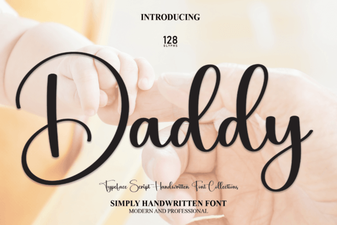 Daddy Font: Expressive Type for Bold Creative Projects
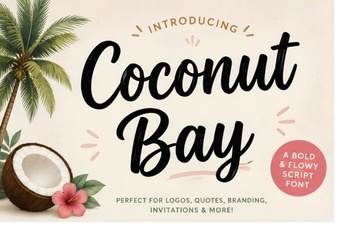 Coconut Bay Font: Fresh Design Ideas & Creative Uses
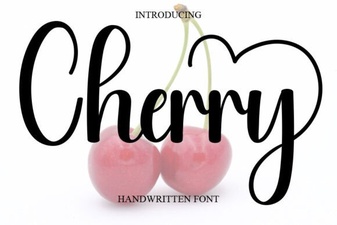 Cherry Font: Fun & Playful Typography for Creative Projects
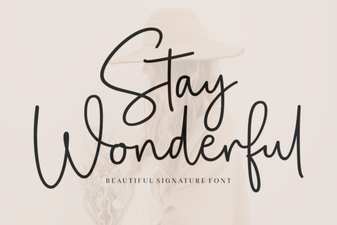 Stay Wonderful Font: Handwritten Typeface for Designers
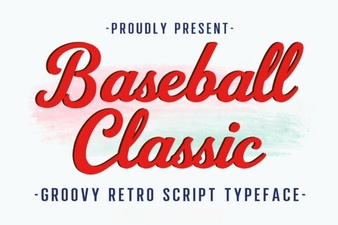 Classic Baseball Fonts: Timeless Typography for Sports Logos
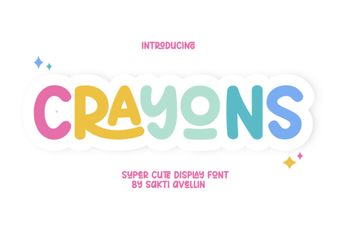 Creative Designs & Fun Projects with Crayons Font