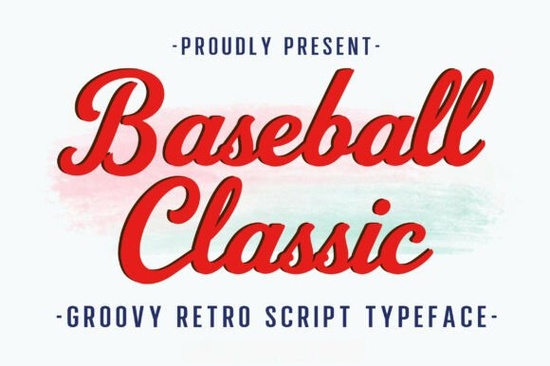
If you’re designing team merch, retro logos, or sports-themed apparel, the Baseball Classic Font brings the exact mood you need. It’s a bold script font with thick strokes, a slight slant, and the kind of vintage energy that feels right at home on a baseball cap or a locker room poster. The typeface arrives with uppercase, lowercase, numbers, and basic punctuation, so you can build complete headlines, jersey names, and quote graphics without switching fonts.
What kind of design projects actually suit this font?
Think beyond just baseball. The hand-lettered, athletic look works for softball league branding, dad hat embroidery, retro basketball warm-up tees, and even coffee shop chalkboard menus that want a sporty twist. It shines on print-on-demand products: mugs, totes, hoodies, and phone cases. Because the letterforms are thick and consistent, they hold up well on screen printing and heat transfer vinyl. Crafters using Cricut or Silhouette machines appreciate that the edges are clean enough to weed easily, especially at larger sizes.
If you pair this font with a subtle halftone texture or a distressed effect, you can fake a well-worn vintage tee in minutes. Add a simple baseball seam graphic or a star, and the design feels intentional without clutter.
How does the character set hold up in real projects?
One of the first things designers check is whether a font includes enough glyphs for common phrases. Baseball Classic Font covers uppercase and lowercase alphabets, numerals, and standard punctuation. That means you can write player names, jersey numbers, date ranges like “Est. 2020,” and short motivational lines like “All Heart. All Hustle.” There’s no need to switch between two different fonts for a single design, which saves time when you’re mocking up multiple products.
The numbers have a slight bounce and uniform weight that match the letters, so a back-of-jersey print with a large “42” looks as balanced as the name above it. If you often design for sports events marathons, little league finals, charity tournaments that matching rhythm is a small detail that makes the final layout feel polished.
Who gets the most out of a sporty retro script?
Small business owners running custom apparel shops, Etsy sellers designing personalized baseball gifts, and DIY crafters making team spirit shirts will all find it practical. Because the style is already rooted in American sports culture, customers recognize the mood instantly. A local bar that wants a vintage baseball-inspired logo can use this font without ordering a custom lettering piece just adjust the colors and add the establishment name.
For social media managers handling minor league teams or school athletic departments, the font works in Instagram posts, event flyers, and match-day graphics. It holds legibility fairly well at small sizes, though it truly stands out at 30pt and above. If you need a reference for how vintage athletic lettering evolved, designer archives like Baseball Classic style collections show why these compact, weighty scripts remain popular in sports identity work.
Which alternative script fonts pair well with this style?
Sometimes you need a second script that plays a different role maybe a softer tagline, a secondary logo, or a complementary wordmark for a women’s league. Below are a few related fonts available on Creative Fabrica that you can mix with Baseball Classic Font, each offering a distinct mood.
- Coconut Bay – A laid-back, beachy brush script that feels airy and casual. Great for tropical resort logos or summer event banners that need a less aggressive touch.
- Stay Wonderful – A modern calligraphy font with elegant swashes. Use it for wedding signage or feminine branding when you want a hand-lettered lift without the sporty bite.
- Cherry – A sweet, curvy script that leans into a bakery or boutique vibe. If Baseball Classic handles the bold headline, Cherry can carry the date or flavor details underneath.
- Daddy – A thick, expressive script that’s unapologetically bold, similar in weight but with wider spacing. Works for dad caps, automotive decals, or music merch.
Each of these can stretch your design library so you’re not relying on a single typeface for every client brief.
How can you avoid common mistakes with this font?
Because Baseball Classic Font has heavy strokes, it can feel cramped if you use it for long paragraphs. Reserve it for headlines, short quotes, and single-word focuses like logo marks or player names. When setting small text, test uppercase-only words against lowercase to make sure the spacing doesn’t close up at smaller sizes. Adding a slight outline or a shadow layer often improves readability on busy backgrounds.
Another tip: watch the contrast. If you’re printing on dark heather shirts, use light to medium ink colors so the thick strokes stay sharp. On light backgrounds, solid black or navy gives the strongest throwback feel.
What should you do right after downloading?
Open your design software and try these quick steps:
- Type the client’s team name or slogan at 72pt and print it on plain paper. Check the spacing, especially around punctuation marks like apostrophes and exclamation points.
- Test a mockup on a cap or a jersey template. See how the slant interacts with curved surfaces; a slight arc tool adjustment often helps.
- Pair the font with a simple serif or sans-serif for secondary copy. A clean sans like a condensed geometric style keeps the vintage vibe without competing.
- Experiment with layered vinyl: cut a base shadow layer in a darker color and a top layer in the main shade to give the letters more dimension.
Once you’ve applied these checks, you’ll know exactly how the font behaves across different substrates. That confidence makes it easier to present proof sheets to clients or list products in your online store without unexpected rework.
Try It Free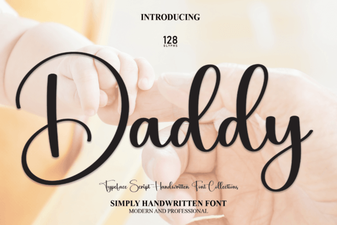 Daddy Font: Expressive Type for Bold Creative Projects
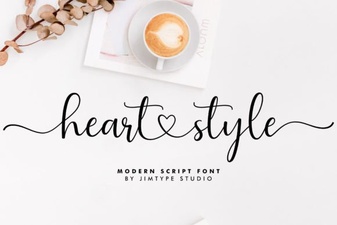 Heart Style Fonts: Design Ideas & Creative Uses
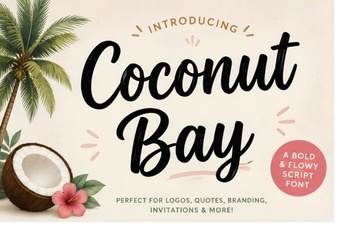 Coconut Bay Font: Fresh Design Ideas & Creative Uses
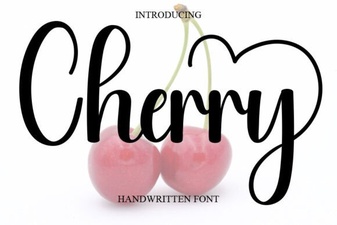 Cherry Font: Fun & Playful Typography for Creative Projects
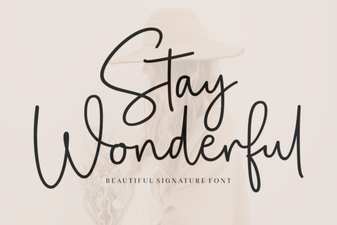 Stay Wonderful Font: Handwritten Typeface for Designers
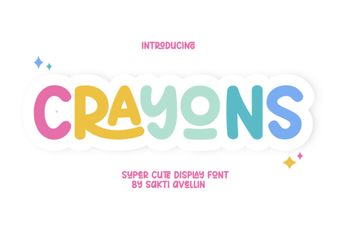 Creative Designs & Fun Projects with Crayons Font