Fun and Whimsical Designs with Wiggle Whistle Font
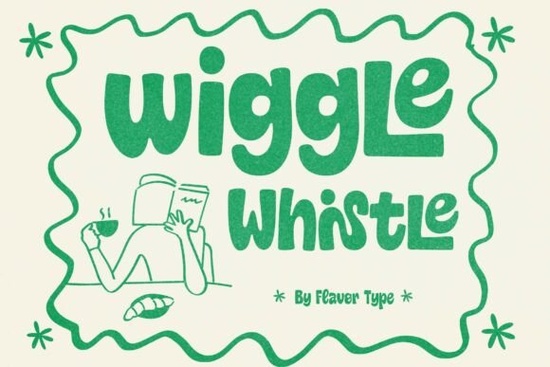
If you are searching for a display font that feels like a warm smile from a bakery window, Wiggle Whistle Font might be exactly what your project needs. This chubby, rounded typeface has a bouncy rhythm and hand-drawn charm that instantly softens any layout and makes it feel more approachable. Its bold, wavy letterforms look like they were sketched with a marker while daydreaming about ice cream sundaes and farmers’ market signs.
The font’s personality sits right at the intersection of playful and functional. Its thick strokes and generous curves keep words legible even at smaller display sizes, so a café sandwich board or party invitation stays clear while delivering a heavy dose of cheerfulness. Designers who work on food and drink branding, children’s product lines, event collateral, or social media graphics will find it slips naturally into compositions that need a touch of casual warmth.
What gives Wiggle Whistle its bouncy, hand‑drawn energy?
The magic lies in the slightly irregular baseline and the soft, undulating strokes. Each letter feels like it’s gently wobbling in place, which adds movement without making the text hard to read. Unlike many chunky display fonts that can feel stiff or overly mechanical, this one keeps a sketchbook quality. The counters (the enclosed spaces inside letters like “a” and “o”) stay open, and the terminals are rounded like dollops of whipped cream. If you have ever worked with a playful brush font, you might notice a similar friendly vibe, but here the forms are inflated into soft, balloon‑like shapes.
While exploring similar typefaces, you might come across Lucky Chunks, another bold choice that shares this loose, hand‑drawn rhythm. Wiggle Whistle leans a bit more into wavy, organic curves rather than blocky cuteness, so it can feel a little more whimsical and less structured. That makes it an interesting option when you want warmth but still need letters strong enough to anchor a product label or a YouTube thumbnail.
Where does a chubby display font like this work best?
The short answer: anywhere you want to turn everyday words into something that feels like a treat. Here are a few spots where Wiggle Whistle really shines:
Food and dessert packaging: Ice cream tubs, cookie bags, donut boxes, and coffee sleeves all benefit from a font that hints at the soft sweetness inside.
Children’s products: Toy packaging, classroom decor, picture book titles, and birthday party supplies instantly feel more fun and less corporate.
Sticker and POD designs: Print‑on‑demand creators can use it for planner stickers, T‑shirt quotes, or mug designs that need a friendly, inclusive tone.
Event signage: Pop‑up markets, baby showers, bake sales, or community flyers get a welcoming, handmade look without the actual mess of hand‑lettering.
Social media graphics: Reels covers, story highlights, and quote posts stand out in feeds that are often full of sleek, neutral typography.
If you are working on a campaign that needs a little more grit, you might pair a clean font with a distressed font for contrast. Wiggle Whistle can serve as the soft, cheerful headline while a rougher secondary font adds texture. That combination works well for streetwear‑inspired kids’ apparel or a coffee brand that wants to feel both cozy and grounded.
Is Wiggle Whistle easy to read for headlines and logos?
Yes and that is not always the case with fonts this plump and wavy. The x‑height (the height of lowercase letters) is generous, and the spacing between characters is open enough to prevent a muddy mess when you type out a word like “strawberry” or “whipped cream.” You do want to use it at larger sizes, though. Below 24 points, the wiggly details start to clump together, which means it works far better as a display font than for small body copy. For a logo, try it in all caps at a big size and watch how the wavy crossbars and rounded stems give a soft, trustworthy feel that suits bakeries, toy stores, or lifestyle vlogs.
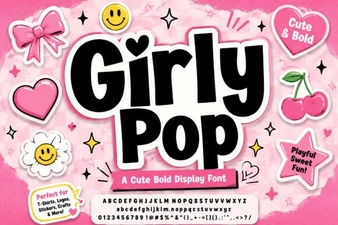
If you are building a mood board for a branding project, you might also look at Girly Pop for something with a more explicitly feminine touch. Wiggle Whistle is less frilly and more universally cute, so it appeals across a wider age range and gender spectrum. The two fonts could even work together in a product line with different kid‑targeted ranges.
How does it compare to other display fonts in Creative Fabrica?
Typography enthusiasts who love exploring creative font bundles will find Wiggle Whistle occupies a specific niche: it is chunky without being clumsy, and wavy without being illegible. To help you understand where it fits, here is a quick mental comparison:
If you want sporty, collegiate energy, you would reach for something like Prime Varsity. That font shouts pep rally and team spirit, while Wiggle Whistle whispers “come sit on the porch swing.”
If you want a rough, weathered edge, a distressed font adds grit and vintage texture. Wiggle Whistle, on the other hand, feels freshly baked no cracks or grime, just smooth, happy curves.
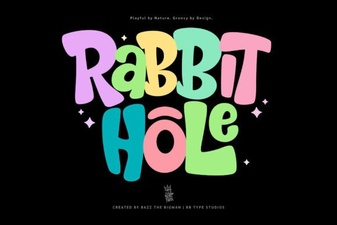
If you need pure, unfiltered fun, the bouncing letters of Rabbit Hole offer a similarly playful, irregular baseline. Wiggle Whistle keeps a slightly more uniform softness, which can feel a touch calmer and more readable for longer words.
This context helps you decide whether to pair it with something contrasting or let it stand alone as the star of your composition.
What are some practical pairing tips for crafters and small businesses?
Good typography often involves pairing a display font with a simpler workhorse. Here is a straightforward approach for Wiggle Whistle:
Headlines: Use Wiggle Whistle for the main title or product name. Keep the message short three to five words work best.
Subheadings: Pick a clean, narrow sans‑serif (like a condensed grotesque) that does not compete with the wavy shapes. This creates a clear visual hierarchy on your label or flyer.
Body text: Stick to a simple, highly readable typeface. A neutral serif can add a touch of sophistication that balances the playful headline, especially for café menus or small‑batch product descriptions.
Color palettes: Soft pastels, rich chocolate browns, and creamy off‑whites reinforce the dessert‑shop vibe. You can also use bright, saturated candy colors if you are targeting kids.
Many small business owners find that using a font this friendly helps their packaging stand out on a crowded shelf. The warmth the letters project can make a product feel more personal, even when it is mass‑produced.
Does it work for print‑on‑demand and physical products?
Absolutely. Because Wiggle Whistle comes as a standard installable font file, it works in any design software you already use from Canva to Adobe Illustrator to Procreate. Print‑on‑demand sellers who create mug wraps, tote bags, or crewneck designs will appreciate how the thick, rounded strokes translate to embroidery and screen printing. The shapes hold up well when stitched or pressed, and the high contrast between thick and thin areas adds dimension without needing extra effects.
One small thing to remember: always test your design at the actual print size. The wavy details are part of the charm, but if your print is tiny (like a pencil engraving), you may need to simplify the design. For most out‑of‑the‑box placements like T‑shirt fronts or mug faces, it will print clearly and look just as cozy as it does on screen.
Before you download and start experimenting, here is a quick checklist to make sure Wiggle Whistle is the right fit for your next project:
Your message is short and needs a friendly, bubbly display voice.
The audience would respond to warmth, playfulness, and approachability.
You have room to size the text large enough to show off the wavy details.
You have a simple supporting font ready for any secondary text.
You want a typeface that feels handmade but stays consistent across letters.
Grab a test layout, drop in a few of your favorite flavor names or playful quotes, and see how naturally the letters wiggle, giggle, and shine.
Get Started
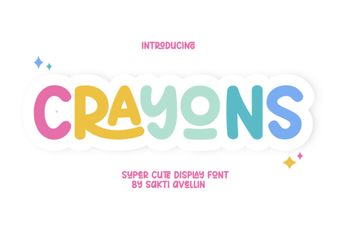 Creative Designs & Fun Projects with Crayons Font
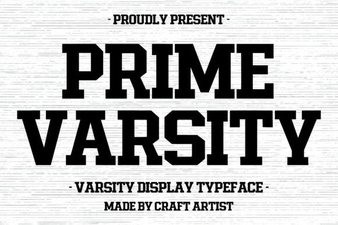 Prime Varsity Font: Elevate Your Sports Branding
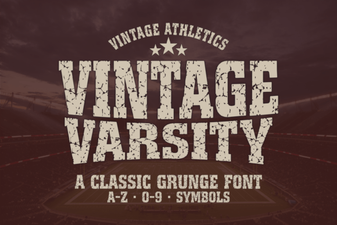 Vintage Varsity Font Ideas for Retro Designs
 Rabbit Hole Font: Whimsical Typography for Creative Designs
 Mila Font: Versatile Typeface for Modern Designs
 Girly Pop Font: Bubbly Typography for Cute Creations