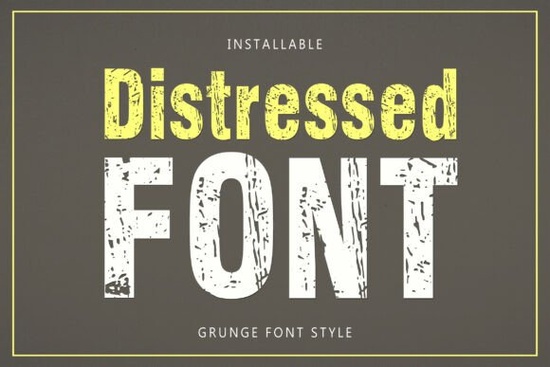
Searching for a typeface that feels genuinely aged without looking messy? Distressed Font is a bold, vintage-inspired typeface built for exactly that purpose. Instead of relying on digital effects that seem fake, this font comes with naturally worn edges and subtle imperfections built directly into each character. The roughened texture gives your work an authentic, lived-in feel while keeping every letter clean and readable. Whether you’re crafting retro posters, army-style logos, or rugged apparel designs, this font helps you skip the extra texture layers and start with a letterform that already carries history.
What exactly makes a font “distressed”?
A distressed font mimics the natural wear you’d find on printed materials from decades past chipped ink, uneven pressure, or slightly degraded edges. With Distressed Font, each letter is deliberately crafted to include rough spots and small gaps that look organic, not randomly generated. The advantage for designers is speed. You don’t need to overlay grunge textures or mask portions of the type manually. The font handles that heavy lifting while keeping the baseline consistent and the word shapes crisp.
Because the wear is part of the vector outlines, the effect stays sharp at any size. Scale it up for a large poster headline, and the texture detail stays smooth. Shrink it for a t-shirt tag or a mug design, and the character remains. This font fits naturally into projects where you want to suggest durability, tradition, or a hands-on workshop vibe.
What projects work best with a distressed typeface?
Distressed fonts aren’t limited to one aesthetic. Here are some common use cases where Distressed Font becomes a practical choice:
- Retro branding – Logos for barbershops, coffee roasters, or craft breweries often need a handmade touch. The rough edges signal authenticity.
- Army and military-inspired designs – Stenciled, solid shapes with wear fit perfectly for squadron shirts, gym logos, or outdoor gear.
- Apparel graphics – Print-on-demand sellers frequently use this style for streetwear. The distressed look prints well on cotton and blends into fabric textures without looking too polished.
- Posters and flyers – Event posters for concerts, car shows, or flea markets benefit from bold, gritty headlines that catch the eye without competing with the imagery.
- Product packaging – When you need a label that suggests craftsmanship, a font with built-in aging can do the work of a custom illustration.
If your style leans more toward playful cartoonish vibes, you might explore something like comic-style display fonts instead. But for that worn-in feel, a distressed typeface stays unmatched.
Is Distressed Font legible enough for small text?
The short answer: it’s best for display use. The bold weight and textured edges make Distressed Font highly readable at larger sizes think headlines, product names, or short phrases. For body copy or fine print, you’ll want to pair it with a clean sans-serif or a simple serif. The font’s rough edges start to compete with legibility when set below about 12 points, so reserve it for moments when you need impact. One helpful trick: use Distressed Font for your main title, then choose a neutral type family for subtitles and descriptions. That contrast makes the texture pop even more.
Distressed Font remains extremely versatile because its imperfections follow a consistent rhythm, so words don’t break apart visually. The eye reads the word shape, not each crack individually.
How do you pair distressed fonts with other typefaces?
Pairing is straightforward when you let the distressed font carry the personality and use supporting fonts to provide clarity. Many designers combine a rugged display face with a clean sans-serif like Helvetica, Open Sans, or Montserrat. If you want to stay within a vintage theme, a classic serif such as Playfair Display can create an elegant contrast. The key is to keep the secondary font simple so the texture of Distressed Font stands out rather than feeling cluttered.
You might also pair it with another display font that has a completely different mood like the collegiate energy of varsity-style typefaces for layered typography in apparel mockups. The two styles can complement each other when you need a hierarchy, such as a main heading in distressed form and a subheading in a sporty sans. Just give each font room to breathe with enough spacing.
What should print-on-demand sellers know about this font?
If you design for t-shirts, hoodies, or tote bags, Distressed Font offers a major advantage: the texture is already part of the letter shapes. That means what you see on your screen translates directly to the printed product without relying on halftone filters or overprint effects that can fail with certain printing methods. The font works well for both screen printing and direct-to-garment because the distressed areas are clean cutouts, not blurry gradients. You’ll get consistent results across different fabric colors and material blends.
Additionally, this style aligns with current market demand. Customers often search for “vintage tee font,” “grunge logo font,” or “worn typeface.” Having a go-to distressed font in your library means you can respond quickly to trends without hunting for new assets each time.
Are there similar alternatives worth considering?
While Distressed Font fills a specific niche, having a small collection of complementary display fonts helps you handle different briefs. For a raw, blocky style with a hint of ruggedness, you might check out chunky, eroded display options. If your project calls for a softer, hand-drawn look, a friendly display script might suit branding that needs warmth rather than grit. Each serves a purpose, and rotating between them keeps your product listings varied.
You can also browse the full distressed and textured fonts category to see how this particular typeface compares. Some have a more organic woodcut style; others lean into a grunge-punk aesthetic. Distressed Font sits comfortably in the bold, military-inspired corner, which makes it a dependable choice when you need straightforward impact without extra decoration.
Practical checklist for using Distressed Font in your next project
- Use it for headlines, logos, and short phrases where the texture gets to shine.
- Pair it with a simple sans-serif or serif to keep body text readable.
- Test the size: make sure the distressed details don’t blur together below 12 points.
- For print-on-demand, export your design as a transparent PNG to preserve the detailed cutouts.
- Combine with solid backgrounds rather than busy photos to avoid visual noise.
- Consider creating a small “brand pack” with Distressed Font for headings and one clean font for descriptions to speed up your workflow.
Next step: download the font, try it on a classic black-and-white poster mockup, and see how little else you need to add for an authentic aged look.
Get Started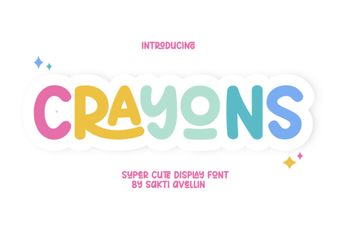 Creative Designs & Fun Projects with Crayons Font
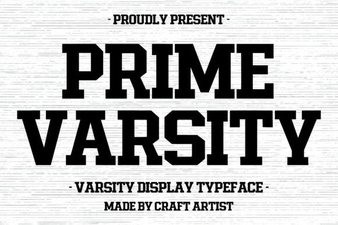 Prime Varsity Font: Elevate Your Sports Branding
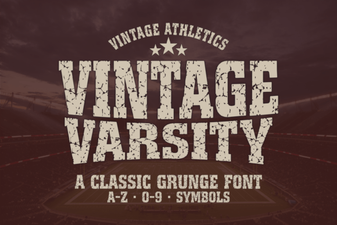 Vintage Varsity Font Ideas for Retro Designs
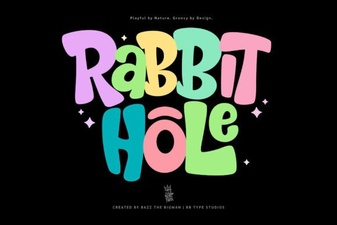 Rabbit Hole Font: Whimsical Typography for Creative Designs
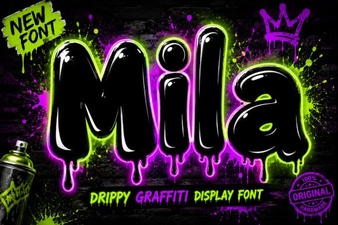 Mila Font: Versatile Typeface for Modern Designs
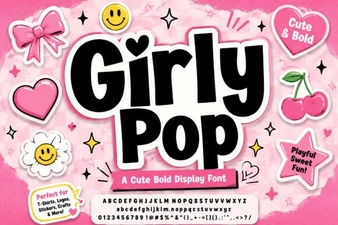 Girly Pop Font: Bubbly Typography for Cute Creations